Points, Perks, and the Slow Burn: How Casino Loyalty Programs Are Built to Cost You More Than They Give
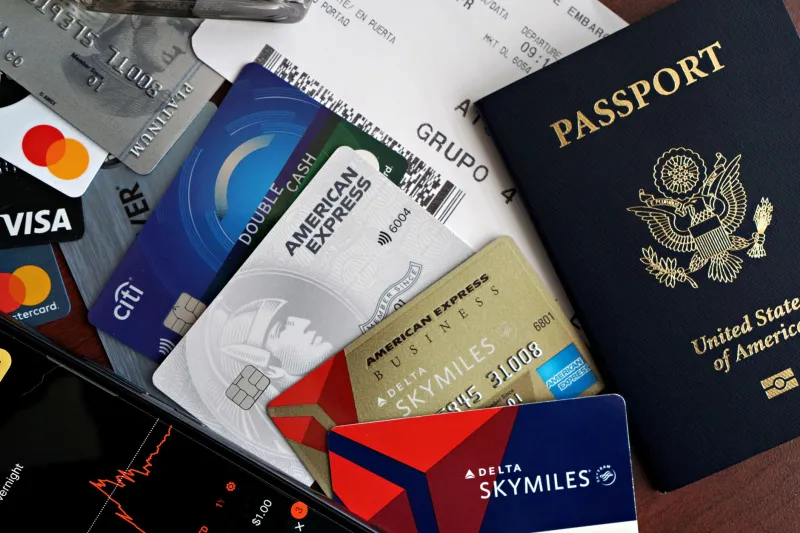
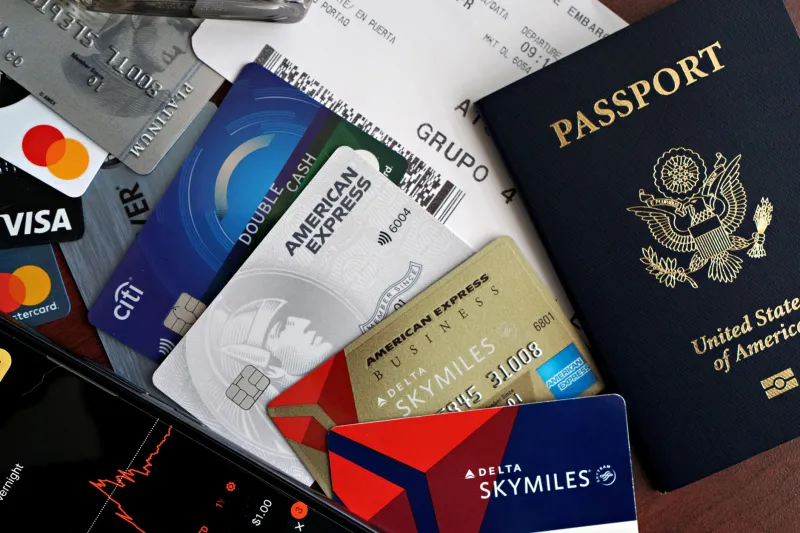
Loyalty programs didn't start in casinos. They started with airlines.
In the early 1980s, American Airlines launched AAdvantage—the first modern frequent flyer program—and the travel industry was never the same. The insight behind it was deceptively simple: people will change their behavior significantly for rewards that feel tangible, even when the actual value of those rewards is modest. Fly with us instead of them, and you'll accumulate points toward something. The "something" doesn't have to be that valuable. It just has to feel like progress.
Casinos were paying close attention. And over the following decades, they took that framework and weaponized it in ways the airline industry never quite managed.
The Anatomy of a Casino Loyalty System
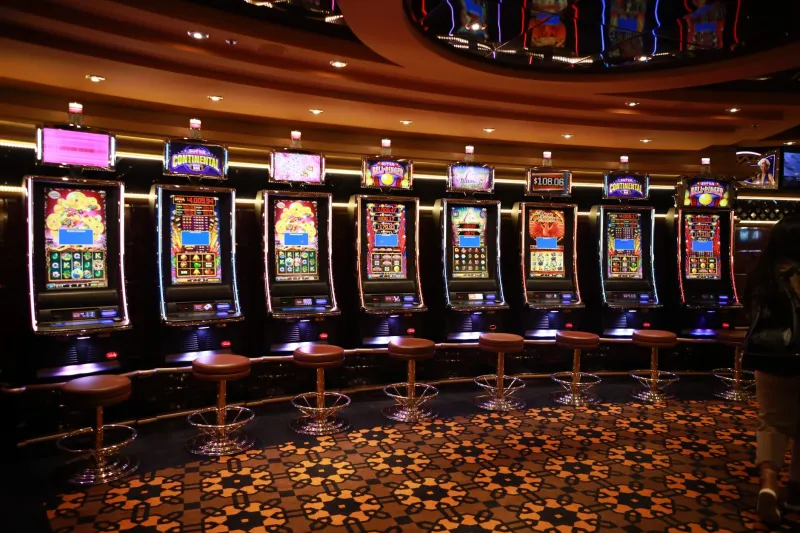
Most casino rewards programs—whether at a brick-and-mortar property in Vegas or an online platform serving players from their living rooms in Ohio—share a recognizable structure. You earn points for play. Points accumulate toward tiers. Higher tiers unlock better perks. The perks range from free play credits and cashback offers to exclusive bonuses, faster withdrawals, and dedicated account managers for the highest spenders.
On the surface, this looks like a fair exchange. You play, you earn, you redeem. The casino benefits from your loyalty; you benefit from the rewards. Everybody wins.
The problem is in the math—and in the psychology that sits underneath it.
Let's start with point conversion rates. Most online casino loyalty programs convert your betting activity into points at rates that are deliberately opaque. A typical structure might award one point per dollar wagered. To redeem for $1 in bonus credits, you might need 100 points. That sounds like a 1% return—not thrilling, but not nothing. Except that bonus credits usually come with wagering requirements, meaning you need to play through them multiple times before they convert to real withdrawable cash. When you factor those requirements in, the actual return on your loyalty points is often closer to 0.1% to 0.3% of your total wagered amount.
Meanwhile, the house edge on most slot games sits between 2% and 8%, depending on the game's RTP. The loyalty program is returning a fraction of a percent. The house is keeping several percent. The math does not favor the player—it just feels like it might.
The Tier Trap and the Psychology of Almost
The most behaviorally potent element of loyalty programs isn't the rewards themselves. It's the tier system.
Being close to the next tier is one of the most powerful behavioral motivators that researchers have identified. It's related to what psychologists call the goal gradient effect—the closer you are to a goal, the harder you work toward it. Casinos exploit this relentlessly. Loyalty dashboards are designed to show you exactly how many points separate you from Silver status, Gold status, Platinum status. The gap is always visible. It's almost always within reach.
What this creates is a situation where players extend sessions—or start new ones—not because they're having fun, but because they're chasing a status threshold. That extra hour of play isn't really about the games. It's about the number on the progress bar. And that extra hour costs real money, in exchange for a tier upgrade that will require ongoing play to maintain.
Online platforms have gotten particularly sophisticated about this. Personalized push notifications and email campaigns now alert players when they're close to a tier boundary, when a limited-time points multiplier is active, or when a "comeback offer" has been generated specifically for their account. These aren't generic messages—they're triggered by behavioral data, sent at times when a player is statistically more likely to re-engage.
The Comeback Offer: Personalized Pressure
Of all the tools in the loyalty program arsenal, the comeback offer deserves special attention.
If you've been inactive for a period of time, many online casinos will generate a targeted offer—free spins, a deposit match, bonus credits—designed to bring you back. These offers are calibrated based on your historical play patterns. They're timed to coincide with periods when you're likely to be receptive. And they're framed as exclusive, as something you earned, as a gift from the casino to you personally.
Behaviorally, comeback offers are effective precisely because they feel personal. Getting a generic ad is easy to ignore. Getting a message that says "We've reserved 50 free spins just for you" triggers something different—a sense of reciprocity, of relationship, of being valued. The instinct to respond to that feeling is deeply human.
What the offer doesn't tell you is that the expected cost of those 50 free spins to the casino is minimal, because the wagering requirements attached to any winnings ensure that most of the value stays with the house. What it also doesn't tell you is that your return to play is worth far more to the casino than the cost of the offer—which is exactly why they're willing to send it.
What a Fair Exchange Actually Looks Like
None of this means loyalty programs are worthless. For players who are going to be playing anyway—and who have a clear budget and a clear stopping point—capturing some value from a rewards program is straightforward common sense. Free spins are free spins. Cashback on losses is better than no cashback. If you were going to make a deposit regardless, a deposit match bonus gives you more runway.
The shift in framing that matters is this: the loyalty program should be a minor benefit layered on top of entertainment you're already choosing. It should not be the reason you play, the reason you play longer, or the reason you deposit more than you planned.
When players start making decisions based on points rather than enjoyment—staying in a session because of a tier threshold, returning because of a comeback offer they weren't planning to act on, depositing more to qualify for a bonus—the program has stopped working for them and started working on them.
That's not a bug in the system. It's the feature.
The Historical Context Worth Knowing
Casino loyalty programs have been evolving since the 1980s, when Harrah's Entertainment (now Caesars) pioneered the Total Rewards system and transformed how the industry thought about player data. What started as a simple card-swipe program became, over thirty years, one of the most sophisticated behavioral data operations in American business history.
The online transition amplified everything. Physical casinos could track your play when you were at their property. Online platforms can track everything—session timing, game preferences, bet sizing patterns, response rates to different offer types, time between sessions. That data doesn't just inform the loyalty program. It shapes it, in real time, for each individual player.
Knowing that the system is personalized—and knowing what it's personalized to do—is the most useful thing you can bring to your next session. The rewards are real. The cost of chasing them can be realer.